
 Dr. Stephen Lesavich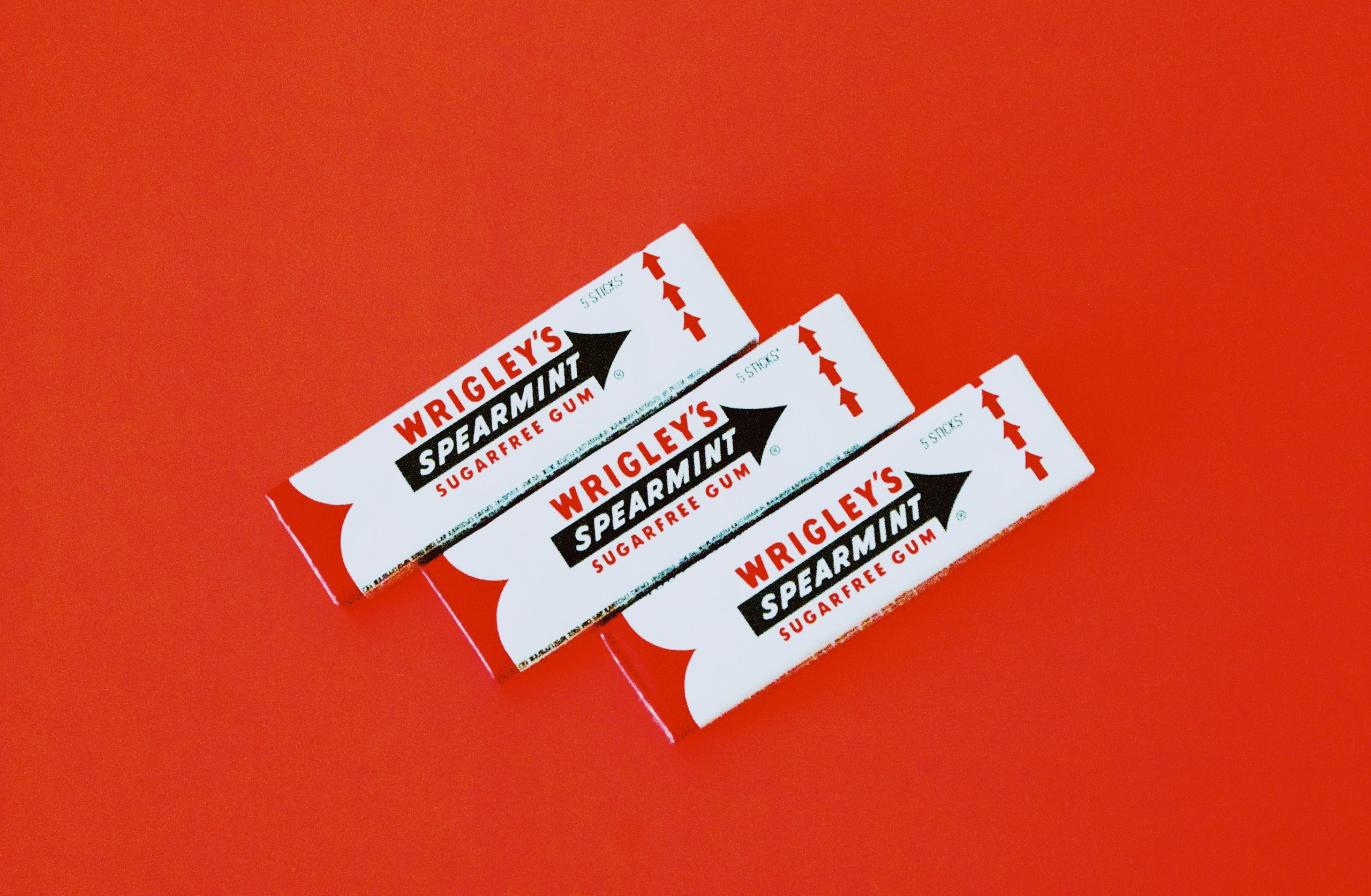
Listen to this blog post:
I was recently in Los Angeles, California, to see a music concert at the Troubadour. A friend of mine, a Hollywood actress, joined me for the concert.

It was a concert featuring Robby Krieger of the Doors and Billy Gibbons of ZZ Top.


Since opening in 1957, the legendary Troubadour Club in West Hollywood has helped launch some of most talented music performers in music history including Bob Dylan, The Byrds, Buffalo Springfield, Joni Mitchell, Neil Young, James Taylor, Elton John, Neil Diamond, Janis Joplin, Led Zeppelin, Carly Simon, Billy Joel, Bruce Springsteen, Willie Nelson, Metallica, Guns and Roses, Pearl Jam, Foo Fighters, Johnny Cash, Coldplay, Red Hot Chili Peppers, Tom Petty, Prince, Kelly Clarkson, Vince Gill, Joe Walsh, Jackson Browne, Depeche Mode, Sheryl Crow, Smashing Pumpkins, Eagles, ZZ Top, and others.
The Troubadour was the place where the Eagles’ Don Henley and Glenn Frey first met.
The Troubadour was the place where Carly Simon, meets James Taylor for the first time. They later marry and became the iconic singer-songwriter power couple of the 1970s.
Like most great venues, it has rules, and like most rules, they only matter when they suddenly apply to you. As we passed through security, her purse was searched and a forbidden item was discovered: chewing gum.
The security team informed her that chewing gum was not allowed inside. She was asked to give it up.
What followed was a brief but spirited debate. This was not about rebellion or entitlement; it was about empowerment. The gum was hers. She wanted it. And she didn’t like being told she couldn’t have it, even temporarily.
Security remained polite and firm. They told her could either throw the gum away or leave it on a table and retrieve it after the concert. Eventually, she agreed to leave her chewing gum with security, and we went inside.
Problem solved, or so it seemed.
Before the concert even started, the gum incident began to loom larger in her mind. It bothered her in a way that surprised both of us. I tried to be practical. I said “I’ll buy you more gum afterward.” It was an easy solution, rational and efficient.
But she didn’t want more gum.
She wanted her gum.
At some point, she made a decision. She was going to get her gum back.
She left the club, retrieved the gum from security, walked back to her car, placed it safely inside, and then returned to the venue. Only then could she relax and enjoy the show with me.
The Chewing Gum Principles
The Chewing Gum Principles
We all carry versions of that gum with us with the Chewing Gum Principles. Objects, ideas, habits, expectations, or identities that you cling to, not because they are essential, but because they are yours. When something external tells you can’t bring them along, even briefly, the discomfort can feel disproportionate to the thing itself.
Financially, she lost nothing by leaving the gum behind. She could have easily replaced it. She could have forgotten about it.
However, emotionally, giving it up felt to her like a boundary violation, a small loss of control, a tiny surrender of her empowerment as woman.
Retrieving the gum restored something far more valuable than the value of the gum. A sense of empowered control over her own life within her own boundaries and being responsible for your own actions.
“The Chewing Gum Principles provide a sense of empowered control over your own life within your own boundaries with you being responsible for you own actions.”
Stephen Lesavich, PhD
There’s an important distinction here. This wasn’t stubbornness for the sake of ego. It was clarity. She knew what bothered and trigger her, and instead of forcing herself to “just get over it,” she took responsibility for resolving it, even if it meant missing a few minutes of the fun that night.
How can you use the Chewing Gum Principles in your own life?
1.Have an awareness of your own personal boundaries: What seemed trivial to me and others was genuinely disruptive to my friend, her personal boundaries and her peace of mind. Rather than dismissing her own reactions to her boundary violation or forcing herself to endure lingering irritation, she acknowledged the emotional impact that boundary violation and took it seriously. A “boundary” is a set of limits we establish to protect ourselves from being violated, used or manipulated by others. A “boundary violation” results in an emotional trigger.
Chewing Gum Principle 1: Understand, define and enforce what your personal boundaries are. Your personal boundaries include your own individual internal and external physical, emotional, psychological, sexual and spiritual boundaries. Your personal boundaries are actually a set of behavioral constructs that define and predict how you will react to every situation you encounter in your daily life.
[ Always be aware of your own personal boundaries. ]
2. Be responsible for your reactions: Instead of projecting anger or frustration onto the situation, the venue, the people around her, or me, my friend took responsibility for resolving what was bothering her. She did not expect accommodation beyond what was offered; she simply acted to restore her own equilibrium. Your state of responsibility is a reflection of your current emotional state, your current set of boundaries and your current set of beliefs.
Chewing Gum Principle 2: Being responsible in your own life depends on your own personal state of responsibility. A positive state of responsibility includes “being answerable or accountable for something and having authority, control and courage over your decisions. In contrast, a negative state of responsibility includes “blaming others, being a victim, being at fault, culpable or the primary cause of something, without admitting it.”
[ Always be responsible for your own actions. ]
3. Live in an empowered state: By deciding to act rather than quietly tolerate discomfort, my friend exercised her own empowerment over her experience. Retrieving her gum was a small but deliberate act of empowerment, assertion of her empowered control as an empowered woman. Acting this way reinforced her understanding that empowerment often comes from honoring one’s own needs, boundaries and making conscious choices, even when they appear minor.
Chewing Gum Principle 3: Being empowered is a defined as “making someone stronger and more confident, especially in controlling his/her life and claiming his/her fundamental rights. “ Being empowered, is knowing exactly who you are, knowing you are supported by a higher power, by your intuition, knowing your own identity, having a vision for yourself and others, having confidence in yourself and being optimistic.
[ Always be empowered in your own life. ]
Using the Chewing Gum Principles and always being aware of your own personal boundaries, being responsible for your own actions and always be empowered allows you to create a positive impact in your own life.
Even if someone tries to take away your chewing gum.
Out There on the Edge of Everything®…
Stephen Lesavich, PhD
Copyright © 2025 by Stephen Lesavich, PhD. All rights reserved.
Certified solution-focused life coach and experienced business coach.
#chewinggum #theytookmygum #chewingumprincple #troubadour #losangeles #LA #music #doors #zztop #robbiekrieger #billygibbons
#selfhelp #motivation #life #lifecoach #lesavich









Add comment