 Dr. Stephen Lesavich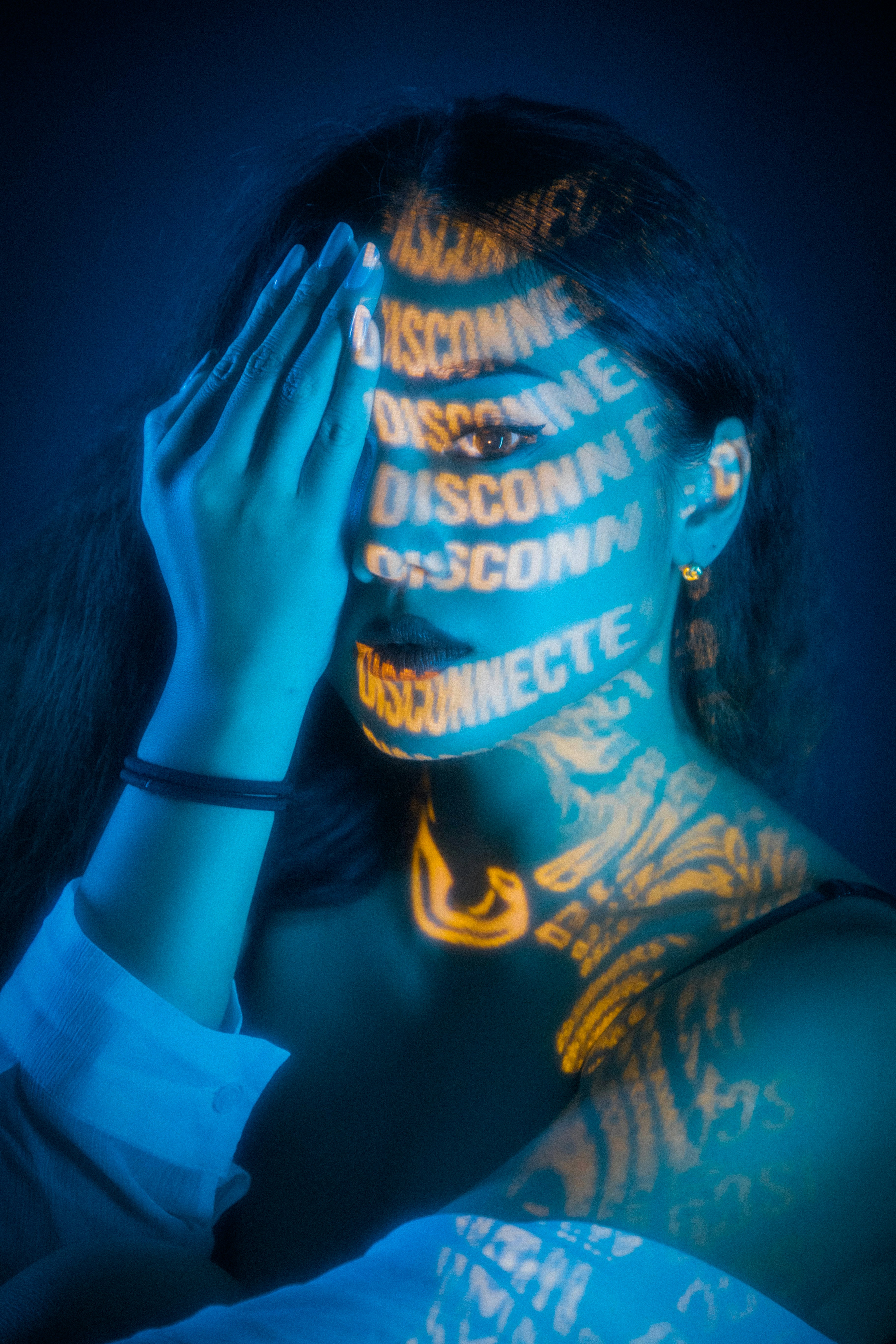
Listen to the this Blog Post:
In personal growth circles, we often hear about the importance of the 4C’s of connection, cooperation, collaboration and co-creation.
We are encouraged to connect, cooperate, collaborate and co-create with other people and with our own unique soul purpose, our own relationships, our own communities and our own goals.
Yet there is another equally important concept that receives far less attention: the ability to disassociate, then disconnect from things that are not good for us.
Disassociation, in this context, is not about denial or avoidance. Rather, it is the conscious decision to separate ourselves from negative thoughts, behaviors, environments, people, influences and energies that no longer support our personal growth, well-being, or positive transformation.
Before we can move toward something better, we must first disassociated then disconnect from what is holding us back.
The Burdens We All Carry
Many people carry unnecessary burdens through life. These burdens may include:
- Limiting beliefs about what is possible.
- Negative self-talk.
- Toxic relationships.
- Outdated habits.
- Fear-based decision making.
- Constant exposure to negativity.
- Unrealistic expectations imposed by others.
Over time, these influences become so familiar that we mistake them for permanent parts of our identity. We stop questioning whether they belong in our lives.
The first step toward meaningful change is recognizing that not everything attached to us is meant to remain attached to us.
Disassociation Creates Space
Imagine trying to plant a garden in soil filled with weeds. No matter how good the seeds are, the weeds compete for sunlight, water, and nutrients.
The same principle applies to your own personal development.
When we disassociate then disconnect from what drains our energy, we create space for what nourishes us. We create room for new ideas, healthier relationships, better opportunities, and a stronger sense of purpose.
Disassociation is not about loss. It is about creating something new in a new energetic space.
Sometimes the most important thing you can add to your life is something you first choose to disassociate then disconnect from.
Dissociate to Alleviate
Sometimes the most powerful step we can take is to consciously dissociate from the people, habits, beliefs, or situations that no longer serve our highest good. Dissociation in this sense is not about avoidance; it is about creating healthy separation from sources of unnecessary stress, negativity, and limitation.
When we dissociate from what drains our energy, we begin to alleviate the emotional, mental, and even physical burdens we have been carrying. The weight of resentment, fear, self-doubt, or toxic relationships starts to lift, creating space for clarity, peace, and renewed purpose.
By choosing what we no longer wish to attach ourselves to, we reclaim our power and attention. What once consumed our thoughts loses its influence, allowing us to focus on new opportunities, growth, and positive transformation.
The path to alleviating stress, frustration, and overwhelming negative feelings begins with asking yourself this simple question: “What do I need to dissociate from right now in my life?”
The answer may reveal the very thing that has been standing between you and a lighter, more fulfilling life.
Disconnect to Reconnect
In a world filled with constant noise, distractions, and demands for our attention, sometimes the best way to move forward is to intentionally disassociate then disconnect. By stepping away from the endless stream of information, obligations, and external influences, we create space to hear our own thoughts, our intutition and reconnect with what truly matters in our own lives.
Disassociating and disconnecting is not about withdrawing from life; it is about creating a pause that allows us to reconnect with ourselves, our values, our purpose, and the people who are most important to us. When we unplug from the distractions around us, we often discover a deeper sense of clarity, presence, and inner peace.
How can you disassociate then disconnect from things in your own life?
1. Disassociate from Limiting Stories
Many people live according to the life stories they have been telling themselves for years:
- “I’m too old.”
- “I’m not qualified.”
- “I’ve always been this way.”
- “Success happens to other people.”
These stories often originate from past experiences, not present realities.
When you learn to disassociate then disconnect yourself from these narratives, you gain the freedom to write a new chapter.
Your past may influence you, but it does not have to define you.
2. Disassociate from Negative Energy and Negative Influences
Negative energy is contagious. So is positive energy.
The people, social media, conversations, relationships and environments you engage with each day influence your mindset and outlook.
Ask yourself:
- Does this relationship help me grow?
- Does this activity energize or drain me?
- Does this information inspire or discourage me?
- Does this environment support who I am becoming?
If the answer to any of these questions are “no,” it is time to disassociate then disconnect from all negative influences and negative energies in your life.
Choosing distance from negativity is not selfish. It is often necessary for growth.
3. Disassociate from Fear
Fear often disguises itself as practical solution, caution, or even certainty.
FEAR is “False Evidence Appearing Real.”
Fear says:
- Stay where you are.
- Don’t take the risk.
- Don’t speak up.
- Don’t try something new.
Growth and transmormation requires movement beyond fear.
When we learn to observe fear without becoming controlled by it, we create opportunities that fear would have otherwise prevented.
The goal is not to eliminate fear. The goal is to stop identifying with Fear.
It is time to disassociate then disconnect from all fears in your life.
There is a great technique, a tool to disassociate then disconnect from all fears in your life by asking where are your feet?
If your feet are in the past, you are reliving fears from your past experiences.
If you feet are in the future, you are projecting your own fears in the future.
Keep your feet right underneath you in the present moment.
—A Practical Exercise
Take a few minutes and create two columns on a piece of paper. This exercise is gaining clarity through contrasts.
Label the first column:
What Serves Me
Label the second column:
What No Longer Serves Me
Be honest.
List the people, habits, beliefs, commitments, activities, and influences that belong in each column.
Choose one item per day from the “What No Longer Serves Me” column and take a step toward disassociating and disconnecting from it.
Also choose one item per day from the “What Serves Me” column and take a step towards connecting to and associating with it.
Positive transformation is about both what we are willing to release from our lives and what we put back into our lives.
Small acts of disassociation and disconnection create powerful transformations over time and create a postive impact in your life.
Out There on the Edge of Everything®…
Stephen Lesavich, PhD
Copyright © 2026 by Stephen Lesavich, PhD. All rights reserved.
Certified solution-focused life coach and experienced business coach.
#disassociate #dissassociation
#selfhelp #motivation #life #lifecoach #business #businesscoach #lesavich
#personalgrowth #professionalgrowth






Add comment